Finding student accommodation can be stressful, especially if you’re booking late, applying through Clearing or moving to a city you don’t know.
Unfortunately, that pressure can make students a target for accommodation scams.
A fake listing might look convincing. The photos might look real. The rent might be just low enough to feel like a good deal. The person messaging you might sound friendly and helpful.
Then they ask for money quickly.
Before you pay anything, here’s how to spot the warning signs and book more safely.
What is a student accommodation scam?
A student accommodation scam is when someone advertises a room, flat or property that is not actually available to rent.
They may:
- copy photos from a real listing
- pretend to be a landlord or agent
- advertise a property they do not own
- ask for a deposit before a viewing
- pressure you to pay quickly
- disappear after receiving money
Some scams are obvious. Others are harder to spot because they use real addresses, real photos and professional-looking messages.
That’s why it’s important to check the provider, the payment process and the contract before you send money.
Why are students targeted?
Students often need accommodation by a deadline. That makes the search feel urgent.
Scammers know this.
They may target:
- students booking after results day
- students applying through Clearing
- international students
- first-year students
- students moving to a new city
- students who have not rented before
- students searching on social media
If you feel rushed, take a step back. Pressure is one of the biggest warning signs.
Common student accommodation scams
Here are some of the scams students should watch for.
Fake listings
A scammer posts a room or flat that looks real, but the property either does not exist or is not available.
They may use copied photos from another website and offer a rent that looks slightly cheaper than similar rooms.
Fake landlords
Someone pretends to be the landlord or property manager, even though they have no right to rent out the room.
They may avoid phone calls, refuse viewings or give vague answers about the property.
Deposit-before-viewing scams
You are told to pay a deposit to “secure” the room before seeing it properly.
The scammer may say there is high demand or that other students are ready to book.
Social media scams
Scammers often use social media groups because students are actively looking there.
A post might look casual and friendly, but you should still check it properly before paying.
Fake contracts
Some scammers send contracts that look official, but the property or provider is not real.
A contract alone does not prove the listing is genuine.
Red flags to watch for
Be cautious if:
- the rent seems too good to be true
- you are pressured to pay quickly
- the person avoids detailed questions
- you cannot verify the provider
- the payment is to a personal bank account
- there is no official website
- the photos look copied or generic
- you cannot view the room, floorplan or virtual tour
- the contract is missing important details
- the email address looks unofficial
- the listing only exists on social media
- the person refuses to speak on the phone or video call
One red flag does not always mean it is a scam. But several together should make you stop and check.
How to check if student accommodation is legitimate
Before paying, check the basics.
Look for:
- an official website
- a real property address
- clear room details
- proper contact details
- a named accommodation provider
- reviews from students, on Google and Student Crowd
- a clear booking process
- clear contract terms
- secure payment options
If you are booking with Abodus, use the official Abodus website or contact the property team directly.
A genuine provider should make it easy to understand who you are booking with.
Check the photos
Scammers often steal photos from real listings.
Before trusting a listing, try:
- reverse image searching the photos
- checking whether the same photos appear on other websites
- comparing the images with the provider’s official website
- looking for consistent room details
- asking for a virtual tour or official gallery
If the same images appear under different property names or locations, be careful.
Check the email and website
Look closely at the website and email address.
Be careful with:
- misspelled domain names
- strange email addresses – any reputable providers email address shouldn’t be @gmail.com
- links sent only through WhatsApp or social media
- websites with no clear contact details
- pages that look copied
- payment links that feel unusual
For example, if you want to book Hope Street in Liverpool or Martha Street Apartments in Glasgow, go to the official website page rather than relying on a link from a social media post that takes you elsewhere.
Typing the website into your browser yourself is safer than clicking a random link.
Don’t let pressure make the decision
Scammers often create urgency.
They may say:
- “You need to pay now.”
- “Someone else is about to take it.”
- “I can only hold it for an hour.”
- “Send the deposit first.”
- “No viewing until payment.”
- “This is the last room.”
Student accommodation can move quickly, especially around Clearing and results day. But a genuine provider should still be able to explain the room, contract and payment process clearly.
If you feel pressured or uncomfortable, pause.
What should you ask before paying?
Ask:
- Who is the accommodation provider?
- Can I have a viewing?
- What is the full property address?
- What room type am I booking?
- What is included in the rent?
- Are bills included?
- Is Wi-Fi included?
- What is the contract length?
- When can I move in?
- What is the cancellation policy?
- Do I need a guarantor?
- What payment methods are accepted?
- Can I see photos, a floorplan or a virtual tour?
- Who do I contact if I have a problem?
If the answers are vague, slow or inconsistent, do not pay yet.
Be careful with bank transfers
Bank transfers can be hard to recover if something goes wrong.
Be especially careful if the payment is going to:
- an individual person
- a bank account name that does not match the provider
- an overseas account you were not expecting
- a payment link sent through social media
- cryptocurrency or gift cards
A genuine student accommodation provider should have a clear and secure payment process.
International students: extra checks to make
International students can be more vulnerable because they may not be able to view rooms in person before arriving.
If you are booking from overseas:
- use official accommodation websites
- avoid social media-only listings
- ask your university for accommodation guidance
- check the provider’s contact details
- request a virtual tour or official gallery
- ask for the full contract in writing
- do not send money to an individual without verification
- ask someone you trust to review the booking process
If you are unsure, contact the university accommodation team or the provider directly.
What to do if you think you’ve found a scam
If something feels wrong, stop communication and do not send more money.
You can:
- contact your bank immediately if you have paid
- report the listing to the platform
- report the scam to Report Fraud or the relevant fraud reporting service
- tell your university accommodation team
- keep screenshots, messages and payment details
- warn other students if it is safe to do so
Act quickly. The sooner you report it, the better.
Safer ways to book student accommodation
To book more safely:
- use official provider websites
- check the property address
- compare prices with similar rooms
- read the contract before paying
- ask questions if anything is unclear
- avoid social media-only deals
- do not pay under pressure
- keep a record of all communication
- use secure payment methods
- speak to someone you trust before committing
Booking accommodation is a big decision. You are allowed to take time to check.
Student accommodation with Abodus
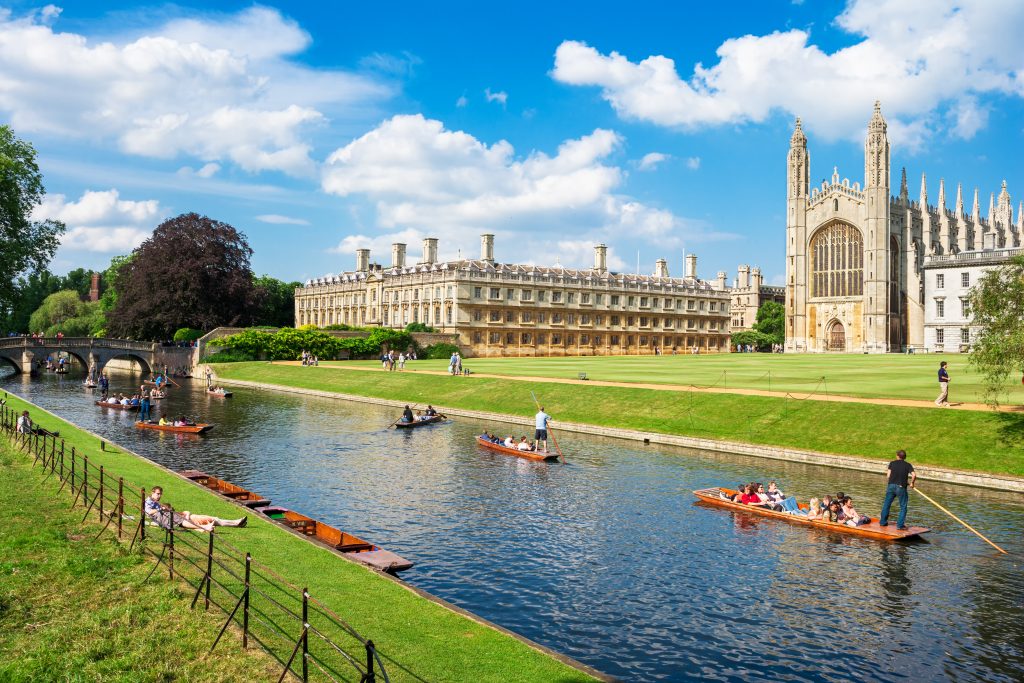
Abodus offers student accommodation across Cambridge, Edinburgh, Glasgow, Liverpool, Newcastle and Southampton.
If you’re interested in an Abodus room, the safest route is to use the official Abodus website or speak to the property team directly. That way, you can check room availability, contract details, bills, Wi-Fi, move-in dates and payment steps through a verified source.
Student accommodation scams work by creating pressure and confusion.
The best way to protect yourself is to slow the process down. Check the provider. Check the address. Check the payment route. Ask questions. Do not send money until you understand exactly what you are booking.
A real room should come with clear details, a clear contract and a clear provider.
If it feels rushed, vague or too good to be true, trust that feeling and check before you pay.